Source Die Cast Custom Metal Logo Sign for Decorations, Gifts, and Office
Compare 30 die cast custom metal logo sign options from verified Chinese manufacturers. Buyers can evaluate materials like aluminium and alloy, customization levels, and lead times for personal decorations, promotion gifts, and home decorations; compare the available evidence and request quotations based on your requirements.
Key considerations
Products List


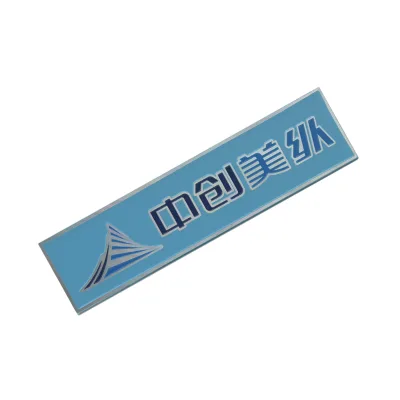


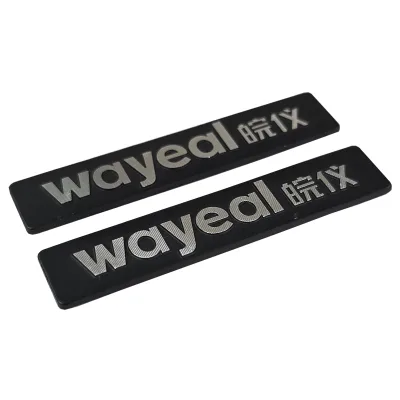


Comprehensive Sourcing Guide
Die Cast Custom Metal Logo Sign Sourcing Guide
Sourcing die cast custom metal logo signs requires a strategic approach that balances aesthetic precision with structural durability. These components are frequently utilized for high-end branding, architectural identification, and promotional merchandise, where the tactile quality of metal significantly enhances perceived value. Buyers must recognize that the customization process involves multiple stages, from initial design approval to final surface finishing, which directly impacts the overall timeline and cost structure. Understanding these variables is essential for effective project planning and budget allocation.
The manufacturing landscape for these items is diverse, with suppliers offering various material options such as aluminum, zinc alloy, and other metals to meet specific design requirements. Each material presents distinct advantages regarding weight, corrosion resistance, and casting fidelity. For instance, aluminum is often preferred for its lightweight nature and ease of machining, while zinc alloys provide excellent detail reproduction for intricate logos. Selecting the appropriate material is a foundational decision that influences downstream processes like engraving, coloring, and stamping, ensuring the final product aligns with the intended application environment.
Product Scope and Observed Listing Signals
Market listings for die cast metal signs reveal a wide spectrum of customization capabilities, with many suppliers offering tailored designs to suit specific brand identities. The observed product range includes items suitable for outdoor and office environments, indicating versatility in application. Buyers should note that customization is a standard offering, allowing for unique shapes, sizes, and styles, including European, American, and antique aesthetics. This flexibility enables organizations to create distinctive signage that stands out in competitive commercial spaces or personal collections.
Pricing and minimum order quantities (MOQs) vary significantly across the market, reflecting the complexity of the casting process and the volume of production. Observed price points range from low-cost promotional items to higher-priced, detailed decorative pieces, while MOQs can start as low as a single unit for samples or scale up to thousands for bulk orders. This variability suggests that buyers can engage with suppliers at different stages of their procurement journey, from prototyping to large-scale deployment. Understanding these market signals helps in setting realistic expectations for cost and volume requirements.
Technical Specifications to Verify
When evaluating technical specifications, buyers must prioritize the accuracy of the casting process and the integrity of the surface finish. Key attributes to verify include the material composition, such as aluminum or alloy, and the specific processing techniques employed, such as casting, engraving, and coloring. These processes determine the final texture, color consistency, and durability of the sign. It is crucial to confirm that the supplier has the machinery and expertise to execute these steps with precision, ensuring that the logo details are sharp and the metal finish is uniform.
Dimensional accuracy and shape customization are also critical technical factors. Suppliers often offer the ability to create any shape chosen by the client, which requires advanced mold-making capabilities. Buyers should request detailed technical drawings or 3D models to verify that the proposed design can be successfully cast without structural weaknesses. Additionally, the standard of the product, whether it is a customized size or a standard metal specification, should be clearly defined to avoid discrepancies between the design intent and the physical product delivered.
Compliance and Safety Documentation
Compliance with international standards is a vital consideration for die cast metal signs, particularly those intended for export or use in regulated environments. Buyers should verify that suppliers hold relevant certifications, such as ISO, SGS, and RoHS, which indicate adherence to quality management and environmental safety standards. These certifications provide assurance that the manufacturing processes are controlled and that the materials used are free from harmful substances, which is especially important for products used in public or commercial spaces.
Documentation regarding the origin and material safety should be thoroughly reviewed to ensure transparency and accountability. Suppliers based in regions like Guangdong or Zhejiang in China often have established supply chains, but buyers must confirm the specific place of origin and the traceability of raw materials. Requesting material safety data sheets (MSDS) and test reports can help verify that the metal alloys used meet industry safety requirements. This due diligence minimizes the risk of non-compliance and potential legal issues associated with the import and use of metal products.
Cost Drivers and Commercial Terms
The cost of die cast custom metal signs is influenced by several factors, including material costs, mold creation, and surface finishing requirements. Buyers should understand that complex designs with intricate details or custom shapes may incur higher mold-making fees, which can be amortized over larger production runs. Additionally, the choice of surface treatments, such as coloring, stamping, or printing, adds to the overall cost. It is advisable to discuss these variables with suppliers early in the negotiation process to obtain accurate quotes and avoid unexpected charges.
Commercial terms, including payment structures and delivery timelines, are also significant cost drivers. Typical terms may require sample payments in advance, with production starting only after sample approval. Delivery times can range from a few weeks to over a month, depending on the order quantity and the complexity of the customization. Buyers should negotiate clear delivery schedules and penalty clauses for delays to mitigate the risk of supply chain disruptions. Understanding these commercial dynamics helps in planning cash flow and managing project timelines effectively.
Supplier Qualification and Quality Control
Supplier qualification is a critical step in ensuring the reliability and consistency of die cast metal signs. Buyers should assess the supplier’s manufacturing capabilities, including their casting equipment, quality control processes, and experience with similar projects. Requesting references or case studies can provide insight into the supplier’s track record and ability to meet specific design and quality requirements. It is also important to verify the supplier’s capacity to handle custom orders and their responsiveness to design changes or feedback.
Quality control measures should be clearly defined and agreed upon before production begins. This includes establishing acceptance criteria for dimensions, surface finish, and color accuracy. Buyers may consider implementing third-party inspections or requesting pre-shipment samples to verify that the products meet the specified standards. Additionally, understanding the supplier’s defect resolution process and warranty policies is essential for managing risks associated with potential quality issues. A robust quality control framework ensures that the final products meet the buyer’s expectations and maintain brand integrity.
Long-Term Procurement Checks
Long-term procurement success depends on establishing a sustainable relationship with suppliers who can consistently deliver high-quality products. Buyers should regularly review supplier performance metrics, such as on-time delivery rates, defect rates, and responsiveness to issues. Continuous feedback and communication are essential for identifying areas for improvement and fostering a collaborative partnership. Regular audits or site visits can also help verify that the supplier maintains their quality standards and complies with agreed-upon terms over time.
Adapting to market changes and technological advancements is another key aspect of long-term procurement. Buyers should stay informed about new materials, finishing techniques, and design trends that may enhance the value of their die cast metal signs. Engaging with suppliers to explore innovative solutions can lead to cost savings or improved product quality. Additionally, maintaining a diversified supplier base can mitigate risks associated with supply chain disruptions. By proactively managing these factors, buyers can ensure a resilient and efficient procurement process for their die cast custom metal logo signs.
FAQs
Can I get a customized design for die cast custom metal logo signs?
Yes, customized designs are available for these metal signs. You can choose any shape and style, including European, American, or antique aesthetics. The supplier offers customization services to meet specific branding needs, ensuring the final product aligns perfectly with your promotional or decorative requirements.
What materials are used for die cast custom metal logo signs?
These signs are primarily manufactured using aluminum and alloy materials. The production process involves casting, engraving, coloring, stamping, and printing to achieve the desired finish. Metal construction ensures durability, making them suitable for outdoor use, office decorations, and various commercial gift applications.
How long does it take to produce die cast custom metal logo signs?
Production typically takes 7 to 15 working days after sample approval. Sample preparation requires 3 to 7 working days depending on complexity. Delivery time is usually 7 to 10 working days post-approval. These timelines depend on order quantities and specific customization requirements.
What certifications do these metal logo signs have?
The products hold ISO, SGS, and RoHS certifications. These standards ensure quality and safety compliance for international markets. The manufacturing process adheres to strict quality controls, making the signs suitable for global distribution and various commercial applications, including religious crafts and collection items.
What is the minimum order quantity for these metal signs?
The minimum order quantity ranges from 1 to 2000 pieces. This flexibility allows buyers to order small batches for testing or large volumes for promotion. Pricing varies based on quantity, with observed ranges from 0.08 to 120 USD per unit depending on specifications and customization.
Where are these die cast metal signs manufactured?
These signs are manufactured in China, specifically in Guangdong and Zhejiang provinces. The origin ensures access to established metalworking supply chains and skilled labor. Buyers can expect consistent quality and competitive pricing due to the concentrated manufacturing hubs in these regions.